
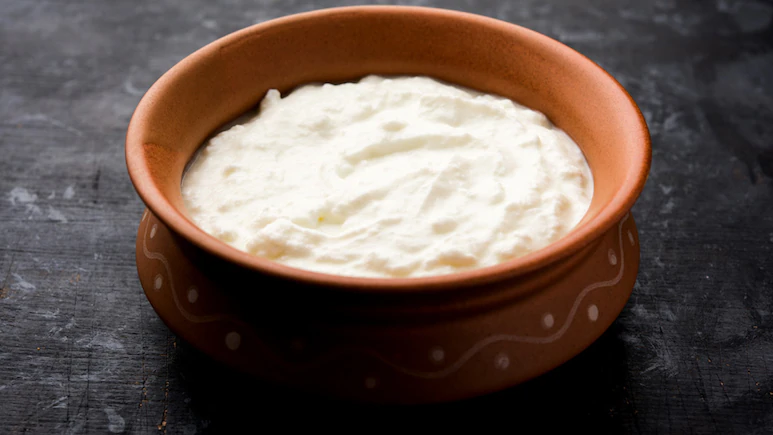
Curd (dahi) is a staple in Indian households, yet it remains one of the most misunderstood foods in modern nutrition. While many praise it for gut health, others avoid it entirely, fearing it causes weight gain, respiratory issues, or digestive distress.
To clear the confusion, Dr. Sayajirao Gaikwad, a practitioner from Maharashtra, recently shared insights on X (formerly Twitter) to debunk the most common myths surrounding this dairy powerhouse.
The Truth About Curd: Debunking 7 Popular Myths
1. Does Curd Cause Cold, Cough, and Sinus?
Contrary to popular belief, there is no scientific evidence that curd creates mucus or triggers respiratory infections. Dr. Gaikwad explains that discomfort after eating curd is typically due to individual sensitivity or temperature preference, rather than the curd itself being harmful.
2. Should You Avoid Eating Curd at Night?
There is no medical rule banning curd at dinner. For most people with healthy digestion, plain curd is perfectly safe at night. Issues usually arise only when curd is paired with heavy, fried, or sugary foods right before bed.
3. Does Curd Lead to Weight Gain?
Actually, the opposite is true. Curd is high in protein and probiotics, which increase satiety (the feeling of fullness) and boost metabolism. Regular consumption of unsweetened curd is often linked to improved fat loss and better metabolic health.
4. Is Curd Hard to Digest?
Fresh curd is a “superfood” for the gut. It aids in lactose digestion and balances the microbiome. If you experience bloating, it is likely because the curd is over-fermented (too sour) or your existing gut health needs attention.
5. Can You Eat Curd With Meals?
Traditional Indian diets have paired curd with meals for centuries—and for good reason.
- Blood Sugar: It helps reduce post-meal blood sugar spikes.
- Absorption: It improves the absorption of essential minerals from your food.
6. Is Curd Safe for Diabetics?
Yes. Plain, unsweetened curd has a low glycemic load. Research suggests it can improve insulin sensitivity and support the gut-lung-brain axis, making it a safe addition to a diabetic-friendly diet in controlled portions.
7. Is All Store-Bought Curd Probiotic?
Not necessarily. While all curd contains some bacteria, not all packaged versions contain enough live cultures to be classified as “probiotic.” For the best results, opt for homemade curd or specifically labeled probiotic yogurt.
Expert Verdict: How to Consume Curd Correctly
The takeaway is simple: Curd is a hero, not a villain. To reap the maximum benefits, ensure your curd is:
- Fresh: Avoid excessively sour or old curd.
- Plain: Steer clear of added sugars or artificial flavors.
- Balanced: Listen to your body’s unique response to dairy.