From subtle color grading to “hallucinated” facial features, modern smartphones are no longer just capturing light—they are deciding how your memories should look. As we move through 2026, the line between a traditional photograph and an AI-generated rendering has almost entirely vanished.
The ‘Moon Shot’ Controversy: Enhancement or Fabrication?
The debate over “fake” photography went mainstream with Samsung’s 100x Space Zoom. While the clarity of Moon photos on Galaxy devices is stunning, investigations have revealed that the phone isn’t just zooming in—it’s overlaying high-resolution textures onto a blurry shape.
- The Reddit Proof: Users demonstrated this by photographing a blurry, crater-less white circle on a screen. The phone’s AI, recognizing the “Moon,” instantly filled in craters and shadows that weren’t there.
- The Industry Term: Manufacturers call this “Generative Detail Enhancement.” Critics call it a “negotiation with reality.”
2026 Trends: From Pixels to ‘Perfect Moments’
In 2026, AI processing is “baked-in” to the hardware. With the release of the Snapdragon 8 Gen 5 and Google’s Tensor G5, trillions of operations occur the millisecond you tap the shutter.
1. AI-Native Post-Processing
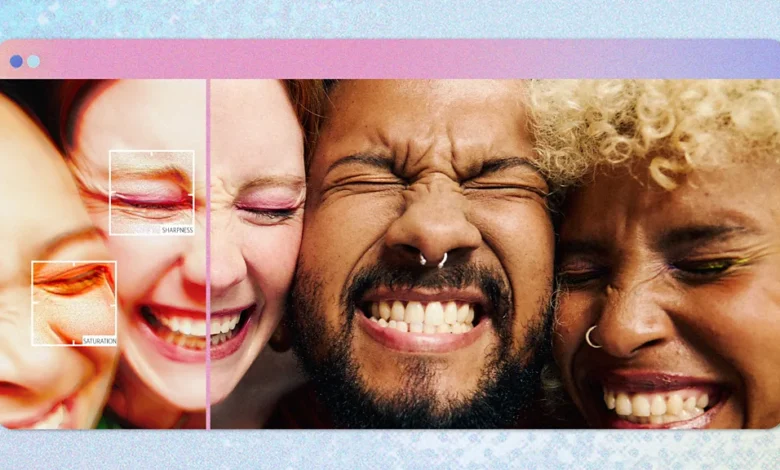
Every photo you take now undergoes “semantic segmentation.” The phone identifies the sky, the grass, and your skin, applying different “edits” to each. Your sky is bluer, and your skin is smoother than what the naked eye actually sees.
2. The ‘Add Me’ and ‘Magic Editor’ Era
Features like Google’s “Add Me” allow users to stitch themselves into group photos they weren’t actually in. Magic Editor allows you to move buildings or change the weather after the fact. We are no longer documenting a moment; we are directing a scene.
3. The Transparency Movement
As of February 2026, the industry is facing a “perfection paradox.” Social feeds are so saturated with flawless, AI-tuned images that many users are craving “Authentic Photography.” * C2PA Metadata: New standards now embed “Content Credentials” into files to show if AI was used.
- The ‘AI Switch’: Growing consumer demand has forced brands like Apple and Samsung to provide clearer “AI Off” toggles for purists.
The Verdict: Documenting vs. Reimagining
AI in photography is a powerful tool for low-light clarity and “daily photo rescue.” However, as these tools move from improving what is there to creating what isn’t, the definition of a photograph is changing. The next time you snap a picture, ask yourself: are you capturing a memory, or is your phone creating a better version of it?