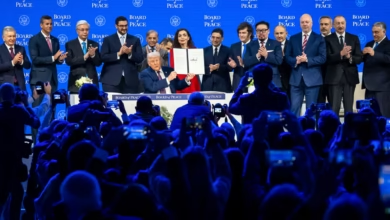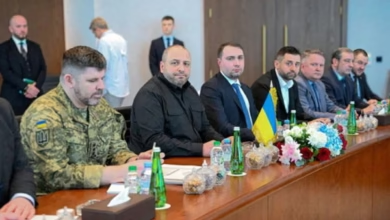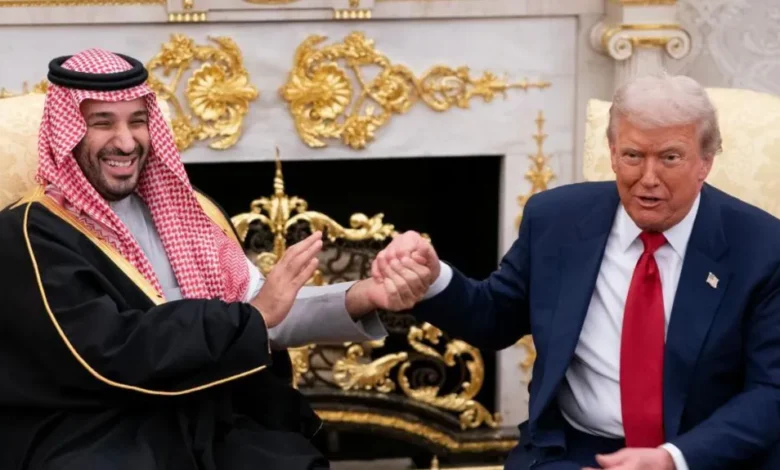
In a significant expansion of President Donald Trump’s proposed international diplomatic body, seven more nations have officially signed up for the Board of Peace. According to a joint statement, Saudi Arabia, Turkey, Egypt, Jordan, Indonesia, Pakistan, and Qatar have agreed to join the initiative, which aims to reshape Middle Eastern diplomacy.
These countries join Israel and a growing list of nearly 15 other nations, including the UAE and Hungary, in a body that many analysts believe is designed to challenge the traditional role of the United Nations.
The Gaza Mandate vs. UN Replacement
While the Board of Peace was initially framed as a task force to end the two-year Israel-Hamas war in Gaza and manage the territory’s reconstruction, its proposed charter remains surprisingly vague. The document does not explicitly mention the Palestinian territories, leading to concerns from critics that the board’s true purpose is to supplant existing UN functions.
Despite this, the coalition of Muslim-majority nations—led by Saudi Arabia and Turkey—stated that their endorsement is contingent on:
- Consolidating a permanent ceasefire in Gaza.
- Directing large-scale humanitarian reconstruction efforts.
- Advancing a “just and lasting peace” in the region.
The Putin Factor: Invitation “Under Consideration”
At the World Economic Forum (WEF) in Switzerland, President Trump told reporters that Russian President Vladimir Putin had already accepted an invitation to join the board. However, the Kremlin was quick to clarify.
Putin later stated that the invitation is still “under consideration,” though he noted that Russia is prepared to allocate $1 billion from frozen assets toward the board’s Middle East initiatives.
International Divide: Who’s In and Who’s Out?
The Board of Peace is rapidly becoming a polarizing entity in global politics. While several nations have signed up, others are expressing deep skepticism.
| Joined/Interested | Under Consideration | Declined |
| Israel, Saudi Arabia, Turkey | Russia (Vladimir Putin) | Slovenia (Robert Golob) |
| Egypt, UAE, Qatar, Hungary | The Vatican (Pope Leo) | |
| Pakistan, Indonesia, Vietnam | United Kingdom, Canada |
Slovenia’s Prime Minister, Robert Golob, notably declined the invitation, warning that the new body “dangerously interferes with the broader international order.” Meanwhile, the Vatican’s Secretary of State, Cardinal Pietro Parolin, confirmed that Pope Leo has received an invitation but will require time to evaluate the implications of participation.