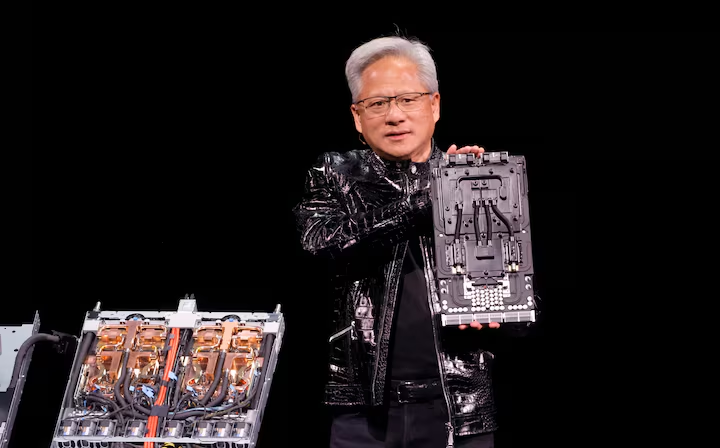
Nvidia CEO Jensen Huang arrived in Shanghai this week for his first trip of 2026, a high-stakes visit that blends traditional Lunar New Year celebrations with urgent “crisis management” diplomacy. As the Santa Clara-based chip giant faces a regulatory “sandwich” between Washington and Beijing, Huang’s multi-city tour—including stops in Beijing, Shenzhen, and Taiwan—aims to stabilize Nvidia’s presence in its second-largest market.
The H200 Flashpoint: Export Approvals vs. De Facto Bans
The primary focus of the trip is the Nvidia H200, the company’s second-most powerful AI processor. The regulatory landscape for this chip has shifted rapidly in recent weeks:
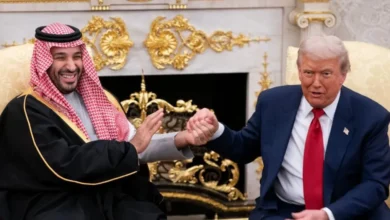
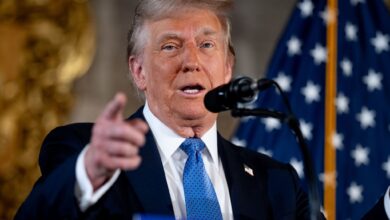
- Washington’s Green Light: In December 2025, the Trump administration approved the export of H200 chips to China, albeit with a 25% fee and strict end-user certifications to prevent military application.
- Beijing’s Resistance: Despite U.S. approval, reports emerged in mid-January 2026 that Chinese customs agents were instructed to block H200 entries. Officials have reportedly warned domestic tech giants like Alibaba, Tencent, and ByteDance to prioritize homegrown alternatives.
- Current Status: While Beijing has recently given “in-principle approval” for tech firms to prepare purchase orders, many chips remain stalled at the border, leaving billions of dollars in revenue in limbo.
Fierce Competition: Huawei and the Domestic Shift
While Nvidia previously held a near-monopoly on AI hardware in China, the landscape has changed. In 2025, Huawei’s Ascend 910C reached performance parity with Nvidia’s China-compliant offerings in several key benchmarks.
Experts suggest Huang’s visit to Shanghai’s local markets and his “China-friendly” public appearances are strategic moves to reassure partners that Nvidia remains committed to the region. However, Beijing continues to weigh the benefits of high-end U.S. silicon against its goal of total semiconductor self-sufficiency.
Analysis: Why This Visit Matters for Investors
- Market Share Recovery: Nvidia’s share in the Chinese AI market effectively fell to zero in mid-2025 following previous bans. The H200 represents the company’s best chance to reclaim its $17 billion annual revenue stream.
- Geopolitical Leverage: The H200 has become a bargaining chip in broader U.S.-China trade negotiations ahead of a planned summit in April 2026.
- Revenue Exposure: With Chinese firms reportedly placing orders for over 2 million H200 chips, the outcome of Huang’s meetings in Beijing will directly impact Nvidia’s Q1 and Q2 fiscal performance.